Technical hiring goes wrong in predictable ways. Here’s how to define IT roles clearly, assess skills honestly, and compete for scarce talent.

How to Reduce Time-to-Hire Without Lowering Your Standards
Slow hiring loses good candidates. Here’s how to move faster without settling for a weaker hire.

Contract, Contract-to-Hire, or Permanent: Choosing the Right Staffing Model
Not every open role needs a permanent hire. Here’s how to decide which staffing model fits the work in front of you.

Small Investment Business Opportunity in Canada – Staffing Industry Franchises
If you are looking for a small investment business opportunity in Canada, then the Staffing franchise is the right opportunity for you ! The staffing industry serves as a connecting bridge between businesses and talent, propelling economic growth and development. Within this dynamic sector, staffing industry franchises have emerged as a popular business model, offering both unique opportunities and challenges. This article delves into the significance of staffing industry franchises, exploring their evolution, benefits, challenges, success stories, trends, and best practices. By dissecting the landscape of staffing industry franchises, we aim to unravel their impact on the broader market and the driving forces behind their success.

1. Introduction to Staffing Industry Franchises
Defining Staffing Industry Franchises:
Staffing industry franchises offer aspiring entrepreneurs a unique opportunity to enter the dynamic world of workforce solutions. These franchises provide individuals with the tools, support, and resources needed to start and grow their own staffing businesses within a thriving industry. Whether it’s providing temporary, permanent, or specialized staffing services, staffing industry franchises cater to the needs of businesses across various sectors, helping them find the right talent to fuel their growth and success.
The Value Proposition:
What makes staffing industry franchises stand out? They offer a turnkey solution for aspiring business owners to enter the realm of recruitment without starting from scratch.
With the demand for skilled workers on the rise and businesses seeking flexible staffing solutions, staffing industry franchises are well-positioned for growth and profitability. Franchisees benefit from established business models, brand recognition, training, and ongoing support from the franchisor, enabling them to hit the ground running and navigate the complexities of the staffing industry with confidence.
From recruiting and placement to employee training and management, staffing industry franchises offer a wide range of services to clients, making them indispensable partners in today’s competitive business landscape. Whether you’re a seasoned entrepreneur looking for a new venture or someone passionate about making a difference in people’s careers, a staffing industry franchise could be the perfect opportunity to achieve your goals and build a successful business.
2. Evolution and Growth of Staffing Industry Franchises
Historical Overview:
From modest beginnings to soaring heights, the journey of staffing industry franchises is a testament to adaptability and expansion, akin to your favorite underdog movie, but with spreadsheets.
Factors Driving Growth:
In a world where talent reigns supreme, staffing industry franchises capitalize on the demand for skilled professionals. Who doesn’t love a success story that involves fulfilling career dreams?
3. Benefits of Owning a Staffing Industry Franchise
Access to Established Branding and Support:
Say goodbye to sleepless nights of brand-building. Staffing industry franchises provide access to a trusted name and a support system smoother than a jazz playlist on a Sunday morning.
Being a franchisee, you gain access to established branding and comprehensive support systems as a franchisee. Benefit from a recognizable brand identity and ongoing assistance to ensure your success in the business.
1. Established Business Model: Owning a staffing industry franchise provides access to a proven business model with established processes and procedures, reducing the risk of failure.
2. Brand Recognition: Franchisees benefit from the reputation and brand recognition of the franchisor, making it easier to attract clients and candidates in a competitive market.
3. Training and Support: Franchisees receive comprehensive training and ongoing support from the franchisor, including assistance with marketing, operations, and recruitment, helping them navigate challenges and grow their business effectively.
4. Access to Technology: Franchisees often gain access to advanced technology platforms and software systems that streamline operations, improve efficiency, and enhance the overall client and candidate experience.
5. Network and Resources: Franchisees become part of a network of fellow franchise owners, allowing them to share best practices, collaborate on projects, and leverage collective resources for mutual benefit.
6. Scalability: With a staffing industry franchise, there’s potential for scalability and growth, as franchisees can expand their operations into new territories or offer additional services to meet evolving market demands.
7. Flexibility: Franchise ownership offers flexibility in terms of work-life balance and scheduling, allowing individuals to maintain control over their professional lives while pursuing their entrepreneurial goals.
8. Profit Potential: As part of a growing and in-demand industry, owning a staffing franchise presents significant profit potential, with opportunities to generate recurring revenue streams and achieve long-term financial success.
This is the only business opportunity in Canada where you will have higher marginal earnings and lower overhead expenditures, which together will make it the most profitable business opportunity over time.
4. Challenges and Considerations in Staffing Industry Franchises
Competitive Landscape and Market Challenges:
In a jungle of ambitious competitors, staffing industry franchises must keep their claws sharp. Navigating market challenges is akin to a strategic chess game, but with job listings and resumes.
Operational and Compliance Considerations:
Attention to detail is paramount in the staffing industry. From legal compliance to operational logistics, owning a staffing industry franchise demands precision and agility.
Navigating these challenges requires careful planning, strategic decision-making, and a commitment to delivering value to clients, candidates, and employees. With the right approach and support from the franchisor, staffing industry franchises can overcome obstacles and achieve sustainable success in a dynamic and rewarding industry.
5. Key Strategies for Success:
To crack the code of success, robust training and support for franchisees are essential.
- Robust training and support for franchisees
- Consistency in service quality across all franchise locations
- Leveraging technology for efficient processes (e.g., applicant tracking systems)
- Staying ahead of market trends and industry innovations
- Fostering strong relationships with clients and candidates
- Focus on niche markets or specialized industries.
- Diversifying service offerings to meet diverse client needs.
- Maintaining compliance with legal regulations and industry standards
- Providing exceptional customer service to clients and candidates
- Actively seeking feedback for continuous improvement and adaptation
6. Trends and Innovations Impacting Staffing Industry Franchises
Technological Advancements:
AI-driven algorithms and mobile platforms are reshaping the staffing industry. Embracing digital tools is crucial for staying competitive in the evolving landscape.
Emerging Business Models:
As the gig economy expands, staffing industry franchises are adapting to flexible work arrangements. Diversification and niche market focus are key strategies for staying relevant.
7. Regulatory Environment and Best Practices
Legal Frameworks:
Navigating regulations is critical. Understanding employment laws and compliance requirements is essential for smooth operations and risk mitigation.
Compliance Guidelines:
Best practices include thorough background checks, accurate record-keeping, and adherence to anti-discrimination laws. Training on legal matters is vital for upholding ethical standards.
Conclusion
In an increasingly dynamic and competitive business landscape, staffing industry franchises play a vital role in driving success and growth for businesses of all sizes. From providing flexible workforce solutions to offering expertise, access to talent, and risk mitigation services, franchises serve as strategic partners that enable businesses to thrive in the face of evolving challenges. By recognizing the significance of staffing industry franchises and leveraging their services effectively, businesses can unlock new opportunities, drive innovation, and achieve sustainable growth in today’s ever-changing market.
FAQs about Staffing Industry Franchises
- What are the main advantages of owning a staffing industry franchise?
- How does the regulatory environment impact staffing industry franchises?
- What are some common challenges faced by staffing industry franchise owners?
- How can businesses leverage staffing industry franchises for their talent acquisition needs?

Staffing Industry in Canada
The staffing industry in Canada plays a crucial role in connecting job seekers with employment opportunities and assisting businesses in finding qualified talent. As the job market evolves, the staffing industry has become increasingly vital in providing flexible and temporary employment options, addressing skills gaps, and supporting workforce diversity and inclusion. This article explores the key aspects of the staffing industry in Canada, including its size and scope, trends and growth opportunities, regulatory landscape, technological advancements, workforce diversity initiatives, challenges faced by staffing agencies, and the future outlook of the industry amidst potential disruptions. Understanding the dynamics of the staffing industry in Canada is essential for job seekers, employers, and those interested in comprehending the evolving nature of the Canadian labor market.
1. Overview of the Staffing Industry in Canada
1.1 What is the Staffing Industry
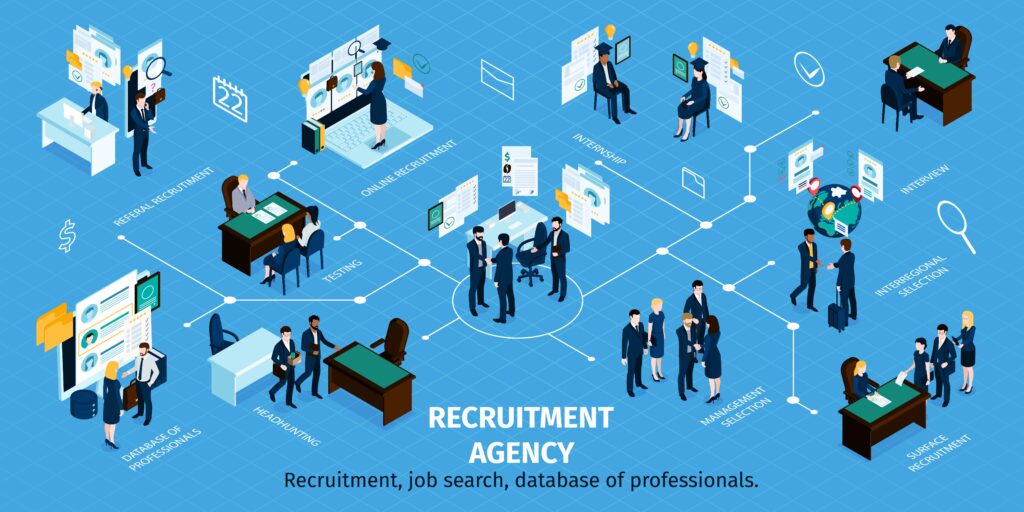
The staffing industry, also known as the employment agency or recruitment industry, plays a vital role in connecting job seekers with employers. Staffing agencies act as intermediaries, helping businesses find the right candidates for their job openings, and assisting individuals in finding employment opportunities that match their skills and experience.
1.2 Size and Scope of the Staffing Industry in Canada
The staffing industry in Canada is a robust and dynamic sector. It encompasses a wide range of services, including temporary staffing, permanent placement, and executive search. According to industry reports, the Canadian staffing market has experienced steady growth in recent years, with an estimated worth of over $15 billion. With an increasing number of companies relying on staffing agencies to find talent, the industry shows no signs of slowing down.
2. Key Trends and Growth Opportunities in the Canadian Staffing Market
2.1 Shift towards Flexible and Temporary Employment
One noticeable trend in the Canadian staffing market is the rising demand for flexible and temporary employment solutions. Many organizations are seeking more flexible work arrangements to meet changing business needs. This shift has resulted in a surge of opportunities for temporary and contract workers, providing them with greater flexibility in their career choices.
2.2 Increasing Demand for Specialized Skills
With the evolving job market, there is a growing demand for employees with specialized skills. Many companies require individuals with expertise in areas such as technology, healthcare, and engineering. As a result, staffing agencies are focusing on identifying and recruiting talent with specific skill sets to meet these industry demands.
2.3 Growing Importance of Remote Workforce
The COVID-19 pandemic has accelerated the adoption of remote work practices. As more companies recognize the benefits of remote staffing, the demand for talent capable of working remotely has increased. Staffing agencies are now playing a crucial role in connecting employers with qualified professionals who can thrive in a virtual work environment.
3. Regulations and Compliance in the Canadian Staffing Industry
3.1 Employment Standards and Labor Laws
In Canada, the staffing industry operates within a comprehensive regulatory framework, including employment standards and labor laws. Staffing agencies must comply with these regulations to ensure fair treatment of workers, including hours of work, overtime, vacation entitlement, and pay rates. It is crucial for both staffing agencies and employers to stay updated with these regulations to avoid any legal implications.
3.2 Compliance with Immigration and Work Permit Regulations
For staffing agencies involved in placing international workers, compliance with immigration and work permit regulations is vital. They must ensure that candidates possess the necessary work permits and visas to legally work in Canada. Adhering to these regulations protects both the staffing agency and the employer from potential legal issues.
3.3 Obligations and Responsibilities of Staffing Agencies
Staffing agencies have obligations and responsibilities towards both job seekers and employers. They must ensure transparent and fair recruitment processes, provide accurate job descriptions, maintain confidentiality, and act in the best interest of their clients. This includes understanding the specific needs of employers and matching them with suitable candidates while offering support throughout the hiring process.
4. The Impact of Technology on Staffing Practices in Canada
4.1 Role of AI and Automation in the Recruitment Process
Technology, particularly Artificial Intelligence (AI), has revolutionized the recruitment process. AI-powered tools can help automate repetitive tasks like screening resumes, scheduling interviews, and evaluating candidates. These digital advancements enable staffing agencies to streamline their operations, improve efficiency, and focus more on building meaningful connections with job seekers and employers.
4.2 Online Platforms and Job Portals
Online platforms and job portals have become instrumental in the staffing industry. These platforms provide a centralized space for job seekers to search and apply for positions, while also offering employers access to a broader talent pool. Staffing agencies leverage these platforms to connect with candidates and advertise job opportunities, creating a convenient and efficient way to match candidates with employers.
4.3 Digital Tools for Talent Acquisition and Management
Digital tools, such as applicant tracking systems and talent management software, have transformed talent acquisition and management for staffing agencies. These tools help streamline processes, facilitate candidate management, and enhance communication between staffing agencies and clients. By leveraging these digital solutions, staffing agencies can provide a seamless experience for both job seekers and employers.
The staffing industry in Canada is thriving, driven by the increasing demand for flexible employment solutions, specialized skills, and remote workforce capabilities. As technology continues to shape the industry, staffing agencies must adapt, leveraging digital tools and platforms to stay competitive and provide efficient and effective recruitment services.
5. Workforce Diversity and Inclusion in the Canadian Staffing Industry
5.1 Benefits of Diversity and Inclusion in Staffing
Diversity and inclusion are not just buzzwords in the staffing industry—they are essential ingredients for success. Embracing a diverse workforce brings a wealth of benefits to staffing agencies in Canada. Research has shown that diverse teams tend to be more innovative, creative, and effective problem solvers. By fostering an inclusive environment, staffing agencies can attract and retain top talent from various backgrounds, leading to improved employee satisfaction and productivity. Furthermore, diversity allows agencies to better understand and cater to the ever-evolving needs of their clients, enhancing customer relationships and boosting business growth.
5.2 Strategies for Promoting Diversity and Inclusion
Promoting diversity and inclusion requires a proactive approach from staffing agencies. One effective strategy is to implement targeted recruitment practices that actively reach out to underrepresented groups. This can involve partnering with community organizations, attending diversity job fairs, and using inclusive language in job postings. Additionally, creating a culture of inclusivity within the agency is crucial. This can be achieved through training programs that promote awareness, empathy, and respect for different perspectives. Providing equal opportunities for career advancement and ensuring diverse voices are heard and valued are also essential elements of fostering an inclusive workplace.
5.3 Overcoming Challenges in Achieving Workforce Diversity
While promoting workforce diversity is important, it may come with its fair share of challenges. Some staffing agencies may struggle with unconscious biases during the hiring process, which can inadvertently result in a lack of diversity. Overcoming this challenge requires implementing blind hiring practices, where personal information that may trigger biases is withheld until later stages of the recruitment process. Additionally, building diverse candidate pipelines through networking and partnerships can help expand the pool of qualified candidates. It is also crucial to continuously educate staff on the benefits of diversity and challenge any existing biases within the agency to create a truly inclusive environment.
6. Challenges and Solutions for Staffing Agencies in Canada
6.1 Talent Shortage and Skill Gap
Staffing agencies in Canada are facing an ongoing challenge of talent shortage and a widening skill gap. As the Canadian job market continues to evolve, demand for highly skilled professionals often exceeds supply. To tackle this issue, staffing agencies need to adapt their recruitment strategies. This may include offering competitive compensation packages, providing training programs to bridge the skill gap, and partnering with educational institutions to nurture talent from the early stages. Additionally, building strong relationships with candidates and clients can help agencies become a trusted resource and attract talent through referrals.
6.2 Competition and Market Saturation
Competition within the staffing industry in Canada has intensified, leading to market saturation in some areas. To stand out in this crowded landscape, agencies must differentiate themselves through their offerings. This can involve providing specialized services tailored to niche industries or developing innovative recruitment techniques that go beyond traditional methods. Additionally, staying up-to-date with industry trends and leveraging technology to streamline processes can give staffing agencies a competitive edge.
6.3 Effective Recruitment and Retention Strategies
Recruiting and retaining top talent is a constant challenge for staffing agencies. To overcome these hurdles, agencies should prioritize building strong relationships with both candidates and clients. Offering personalized and attentive services can help foster loyalty and trust. Furthermore, investing in employee development and creating a positive work culture can enhance retention rates. Implementing mentorship programs, providing ongoing training opportunities, and recognizing and rewarding employee achievements are all effective strategies for attracting and retaining talent in the Canadian staffing industry.
7. The Future Outlook and Potential Disruptions in the Canadian Staffing Industry
7.1 Emerging Technologies and their Impact
The Canadian staffing industry is on the verge of significant technological advancements that will bring both opportunities and disruptions. Artificial intelligence (AI) and automation are expected to transform various aspects of the recruitment process, from candidate sourcing and screening to resume parsing and interview scheduling. While these technologies can increase efficiency and speed up the hiring process, they may also raise concerns about job displacement. Staffing agencies must adapt by embracing these emerging technologies and leveraging them to enhance their services while simultaneously focusing on the human element of recruitment that AI cannot replicate.
7.2 Shifting Workforce Dynamics and Changing Job Market
The Canadian job market is undergoing a transformation, driven by shifting workforce dynamics and changing expectations of job seekers. With the rise of the gig economy and remote work, traditional employment models are evolving. Staffing agencies need to be agile in understanding and accommodating these changes. This might involve developing new business models that cater to the needs of freelance or remote workers, diversifying service offerings, and adopting flexible staffing solutions that align with the evolving preferences of both candidates and clients.
7.3 Potential Disruptions and Adaptation Strategies for Staffing Agencies
To thrive in an ever-changing landscape, staffing agencies must be proactive in anticipating potential disruptions. One such disruption could be the rise of direct-to-employer hiring platforms or tools that enable companies to bypass traditional staffing agencies. To adapt, agencies can differentiate themselves by offering specialized knowledge, industry expertise, and personalized service that these platforms may not provide. Building strong relationships with clients and candidates, focusing on niche markets, and continuously investing in innovation and technological advancements can help staffing agencies stay ahead of potential disruptions and maintain their relevance in the Canadian market.
In conclusion, the staffing industry in Canada continues to play a pivotal role in facilitating employment opportunities and bridging the gap between job seekers and businesses. With the evolving job market and advancements in technology, staffing agencies must adapt and embrace new strategies to meet the changing needs of employers and job seekers. By staying abreast of industry trends, complying with regulations, promoting workforce diversity, and leveraging technological tools, staffing agencies in Canada can position themselves for success in the future. As the Canadian staffing industry continues to evolve, it will undoubtedly remain an essential component of the country’s labor market landscape.

Effective Sales Strategies
Welcome to our comprehensive guide on effective sales strategies. In today’s competitive business landscape, having a well-defined and efficient sales approach is crucial for achieving success and driving revenue growth. Whether you are a seasoned sales professional or just starting out in the field, this article will provide you with valuable insights and actionable tips to enhance your sales performance. From understanding the sales process to leveraging technology and building strong customer relationships, we will explore a range of strategies that can help you excel in sales. So, let’s dive in and discover the key principles and techniques that can take your sales efforts to the next level.
Understanding the Sales Process
1.1 The Importance of Understanding the Sales Funnel
A sales funnel, huh? Don’t worry, it’s not as complicated as it sounds. Think of it like a journey your potential customers take before making a purchase. Understanding this funnel is crucial because it helps you identify where your prospects are in the process and tailor your approach accordingly. From awareness to consideration and finally decision-making, each stage requires a different strategy to guide your customers down the funnel and ultimately close the sale.
1.2 Key Stages in the Sales Process
Now that you know about the sales funnel, let’s break it down into stages. First up, we have prospecting, where you identify potential customers. Then comes the glorious art of pitching, where you present your product or service with all the finesse of a magician pulling a rabbit out of a hat. Next, we move on to the negotiation stage, where you haggle over prices and terms like a pro. The final stage is closing the deal, where you seal the deal and celebrate like the sales superstar you are.
1.3 Analyzing and Improving Sales Processes
It’s not enough to just go through the motions of the sales process. You need to analyze and improve it constantly. Take a step back and evaluate how each stage is performing. Are there any bottlenecks? Any areas where you could be more efficient? By pinpointing these areas, you can make necessary tweaks and optimizations to achieve better results. Remember, even the best sales processes can always use a little fine-tuning.
- Setting Clear Sales Goals
2.1 Defining SMART Sales Goals
Let’s talk goals, baby! But not just any goals – SMART goals. Specific, Measurable, Achievable, Realistic, and Time-bound. Set clear objectives that are specific, like increasing sales by 20% in the next quarter. Make sure they’re measurable so you can track your progress and celebrate your wins. Keep ’em achievable and realistic, so you don’t end up in a pile of shattered dreams. And don’t forget to slap a deadline on it, so you have a sense of urgency to get things done.
2.2 Aligning Sales Goals with Business Objectives
Sales goals shouldn’t exist in a vacuum. They need to be in harmony with your business objectives. If your company’s main focus is expanding into new markets, then your sales goals should reflect that by targeting specific regions or industries. By aligning your sales goals with the bigger picture, you’ll have a clear direction and a better chance of success.
2.3 Tracking and Measuring Sales Goal Progress
Tracking progress is like having a Fitbit for your sales goals. It gives you real-time data and insights to see how far along you are. Keep an eye on key performance indicators (KPIs) like monthly revenue, conversion rates, or number of new customers. By regularly monitoring these metrics, you can identify areas where you’re excelling and areas where you need to step up your game. Plus, it’s a great way to show off to your boss in those team meetings.
- Identifying and Targeting the Right Audience
3.1 Conducting Market Research for Audience Identification
Every sales ninja knows that blindly spraying your product or service to anyone and everyone is a recipe for disaster. That’s where market research comes in. Dive deep into your target market and gather information about their needs, pain points, and preferences. Understanding your audience allows you to create targeted marketing campaigns and tailor your sales pitches to address their specific desires, making them feel like you’re speaking directly to them.
3.2 Segmentation and Targeting Strategies
Once you’ve gathered all that juicy market research, it’s time to dig into segmentation. No, not the fruit kind. This is all about dividing your audience into smaller, more manageable groups based on common characteristics like demographics, interests, or buying behavior. By segmenting your audience, you can create tailored marketing messages for each group, increasing your chances of resonating with them and driving those sales numbers up.
3.3 Personalizing Sales Approaches for Different Customer Segments
One size does not fit all in sales. Each customer segment has its own quirks and preferences, so it’s important to personalize your approach. Speak their language, address their pain points, and show them how your product or service can solve their problems. By taking the time to understand each segment’s unique needs, you’ll build stronger connections and increase the likelihood of closing the deal. It’s like custom-tailoring a suit for each customer. Dapper!
- Building Strong Customer Relationships
4.1 Importance of Relationship Building in Sales
In sales, building relationships is as essential as your daily caffeine fix. Strong customer relationships create trust, loyalty, and repeat business. It’s not just about making the sale; it’s about nurturing long-term connections with your customers. Show them you care, listen to their needs, and be there for them even after the deal is done. A satisfied customer is like a personal cheerleader – they’ll recommend you to their friends, family, and even strangers on the internet.

Job Interview Tips from HR Experts
Preparing for a job interview can be a daunting task, but with the right strategies and techniques, you can increase your chances of success. A successful job interview requires more than just showcasing your qualifications; it involves thorough research, effective communication, and the ability to make a strong impression. In this article, we will provide you with valuable tips and insights to help you ace your next job interview. From researching the company and role to handling challenging questions and demonstrating your passion, we will guide you through the essential steps to stand out as a top candidate. Let’s dive in and explore the key elements of a successful job interview.
1. Research and Preparation
1.1 Understand the Company and Role
- Before your job interview, it’s crucial to do your homework on the company you’re applying to. You don’t want to walk in and say, “So, what exactly do you guys do here?” That’s a surefire way to make the interviewer question your commitment.
- Take some time to understand the company’s mission, values, and recent projects or achievements. Also, familiarize yourself with the specific role you’re interviewing for. That way, you can tailor your responses and show them how you will be the perfect fit.
1.2 Review the Job Description
- The job description is your ultimate cheat sheet. It tells you exactly what the employer is looking for in a candidate. Take a thorough look at it and identify the key skills, experiences, and qualifications they are seeking.
- It’s like reading the map to a hidden treasure, except the treasure is a job offer and the map is a well-written job description. By understanding what they’re looking for, you can highlight your relevant qualifications during the interview.
1.3 Research the Interviewer(s)
- Stalking is generally frowned upon, but when it comes to researching your interviewer(s), consider it due diligence. Look them up on LinkedIn or the company website to get a sense of their background and role within the organization. This way, you can find potential points of connection or areas of interest to discuss during the interview.
- Just remember, there’s a fine line between preparation and becoming a full-blown detective. Stick to professional information only.
2. Creating a Strong First Impression
2.1 Dress Professionally
- It’s important to dress the part. Wearing appropriate attire shows that you respect the opportunity and take it seriously.
- Even if the company has a casual dress code, it’s better to be slightly overdressed than underdressed. So, put on your snazziest outfit and make a good first impression.
2.2 Arrive on Time
- Punctuality is key. Being late to a job interview is like showing up to a party after it’s over – it just doesn’t work.
- Plan your route in advance, accounting for any potential traffic or unexpected delays. Aim to arrive 10-15 minutes early so you have time to compose yourself and collect your thoughts.
2.3 Display Positive Body Language
- Your body language speaks volumes, sometimes even louder than your words. Maintain good posture, make eye contact, and give a firm handshake.
- Smile, nod, and actively engage with the interviewer. Show them you’re enthusiastic and genuinely interested in the opportunity. Just be careful not to nod so much that you start resembling a bobblehead.
3. Effective Communication Skills
3.1 Mastering Verbal Communication
- During the interview, it’s essential to articulate your thoughts clearly and confidently.
- Avoid using excessive jargon or acronyms that might confuse the interviewer. Be concise, but also provide enough details to showcase your expertise. And remember, it’s perfectly acceptable to take a moment to gather your thoughts before responding.
3.2 Active Listening
- Interviews aren’t just about talking; they’re also about listening. Pay close attention to what the interviewer is saying and ask clarifying questions when needed. This shows that you’re actively engaged in the conversation and genuinely interested in the role.
- Avoid zoning out or nodding off, even if they start discussing the intricacies of the paperclip manufacturing process.
- Stay present and focused.
3.3 Non-Verbal Communication
- Your non-verbal cues can speak louder than words, so be mindful of your body language.
- Maintain good eye contact, avoid crossing your arms (unless you’re auditioning for a human pretzel role), and use appropriate hand gestures to enhance your points.
4. Highlighting Relevant Experience and Skills
4.1 Aligning Experience with Job Requirements
- When discussing your past experience, focus on highlighting the skills and accomplishments that directly relate to the job you’re interviewing for. This helps the interviewer see how your previous roles have prepared you for this specific position.
- Remember, they don’t need to know about every pet-sitting job you’ve had since high school unless you’re applying for a professional pet cuddler position. In that case, go ahead and mention every furry client you’ve ever had.
4.2 Showcasing Accomplishments
- Don’t be shy about highlighting your achievements. Talk about specific projects or initiatives you’ve successfully completed and the impact they had.
- Share numbers, metrics, or any tangible results to showcase your value. Just make sure you don’t turn into a bragging peacock, strutting around and showing off your feathers.
- Stay humble but proud.
4.3 Using STAR Method for Behavioral Questions
- Behavioral questions often require you to provide examples from your past experiences.
- To structure your responses, consider using the STAR method: Situation, Task, Action, Result.
- Describe the situation or challenge you faced, the tasks involved, the actions you took, and the results or outcomes. This framework helps you deliver concise and well-organized answers. Just remember not to pick situations that belong in a soap opera or a sci-fi movie. Keep it relevant and believable.
- Remember, job interviews don’t have to be intimidating. With proper research, preparation, and a sprinkle of charm, you can ace any interview and land your dream job. Good luck!
5. Handling Challenging Interview Questions
5.1 Preparing for Common Interview Questions
- When it comes to job interviews, there are a few questions that seem to come up time and time again. These include classics like “Tell me about yourself” and “What are your strengths and weaknesses?” While they may be predictable, it’s important not to underestimate their significance.
- Take the time to prepare thoughtful and authentic responses to these questions. Practice your answers out loud or with a friend to make sure you feel confident and natural when the time comes.
5.2 Addressing Weaknesses and Challenges
- Ah, the dreaded weaknesses question. It’s tempting to respond with something like, “I work too hard” or “I’m a perfectionist,” but interviewers have heard these responses a million times and they have zero impact. Instead, try to identify a genuine area of improvement and explain how you’re actively working on it. This shows self-awareness and a commitment to personal growth.
5.3 Handling Situational and Problem-Solving Questions
- Situational and problem-solving questions can catch you off guard if you’re not prepared. Take a deep breath and remember that interviewers don’t expect you to have all the answers.
- What they’re really looking for is your ability to think critically, stay calm under pressure, and communicate your thought process.
- Don’t be afraid to ask clarifying questions, take your time to gather your thoughts, and approach the problem logically. Your ability to show your problem-solving skills is often just as important as the actual answer.
6. Asking Thoughtful Questions
6.1 Researching Questions to Ask
- Asking thoughtful questions during an interview is crucial for several reasons. First, it shows genuine interest in the role and the company. Second, it helps you gather important information to evaluate if the company and role are the right fit for you.
- Before the interview, research the company and the position thoroughly. Make a list of questions that go beyond what you can find on their website. This demonstrates that you’ve done your homework and are invested in learning more.
6.2 Inquiring about Company Culture
- Company culture can greatly impact your overall job satisfaction. Asking about the company’s culture during an interview shows that you want to understand if it aligns with your own values and work style. Ask about team dynamics, opportunities for growth, and how employees are supported and recognized.
6.3 Seeking Clarification on Role and Responsibilities
- No one wants to accept a job only to find out later that it doesn’t match their expectations.
- Use the interview as an opportunity to seek clarity on the role and responsibilities. Ask about day-to-day tasks, performance expectations, and any potential challenges you might face.
- This shows that you’re proactive, detail-oriented, and genuinely interested in understanding the role before making a decision.
7. Demonstrating Cultural Fit and Passion
7.1 Showcasing Alignment with Company Values
In addition to assessing your skills and experience, interviewers want to gauge if you’ll be a good fit for their company culture. Highlight specific examples of how your own values align with the company’s mission and values. This demonstrates that you’ll be able to adapt seamlessly into their work environment.
7.2 Expressing Enthusiasm for the Role
Passion goes a long way in making a memorable impression. Show genuine excitement about the opportunity and explain why you’re particularly interested in the role. Share specific aspects of the position that excite you and how it aligns with your career goals. Enthusiasm is contagious and can leave a lasting impression on the interviewer.
7.3 Relating Personal Experience to Company Mission
If possible, find ways to connect your personal experiences to the company’s mission or industry. This adds a personal touch to your interview and shows that you’re not just interested in any job but that you genuinely believe in what the company is doing. Whether it’s a personal project, volunteer work, or a relevant hobby, sharing these experiences can help you stand out from other candidates.
8. Mastering Post-Interview Follow-Up
8.1 Sending a Thank-You Note
After your interview, it’s essential to send a thank-you note to the interviewer(s) within 24 hours. This simple gesture shows appreciation for their time and reinforces your interest in the position. Keep it concise, professional, and personalized to each individual you interviewed with.
8.2 Following Up on Outstanding Questions
Sometimes, during an interview, you may forget to ask certain questions or realize later that you need more information. Don’t hesitate to reach out to the interviewer with any follow-up questions you may have. This demonstrates your attention to detail and commitment to making an informed decision.
By implementing the tips and strategies outlined in this article, you can approach your next job interview with confidence and increase your chances of success. Remember to thoroughly research the company and role, create a strong first impression, and effectively communicate your skills and experiences. Be prepared to handle challenging questions and demonstrate your passion for the position. Additionally, don’t forget the importance of post-interview follow-up to leave a lasting impression. With diligent preparation and a positive mindset, you can navigate the job interview process with ease. Best of luck in your future interviews!